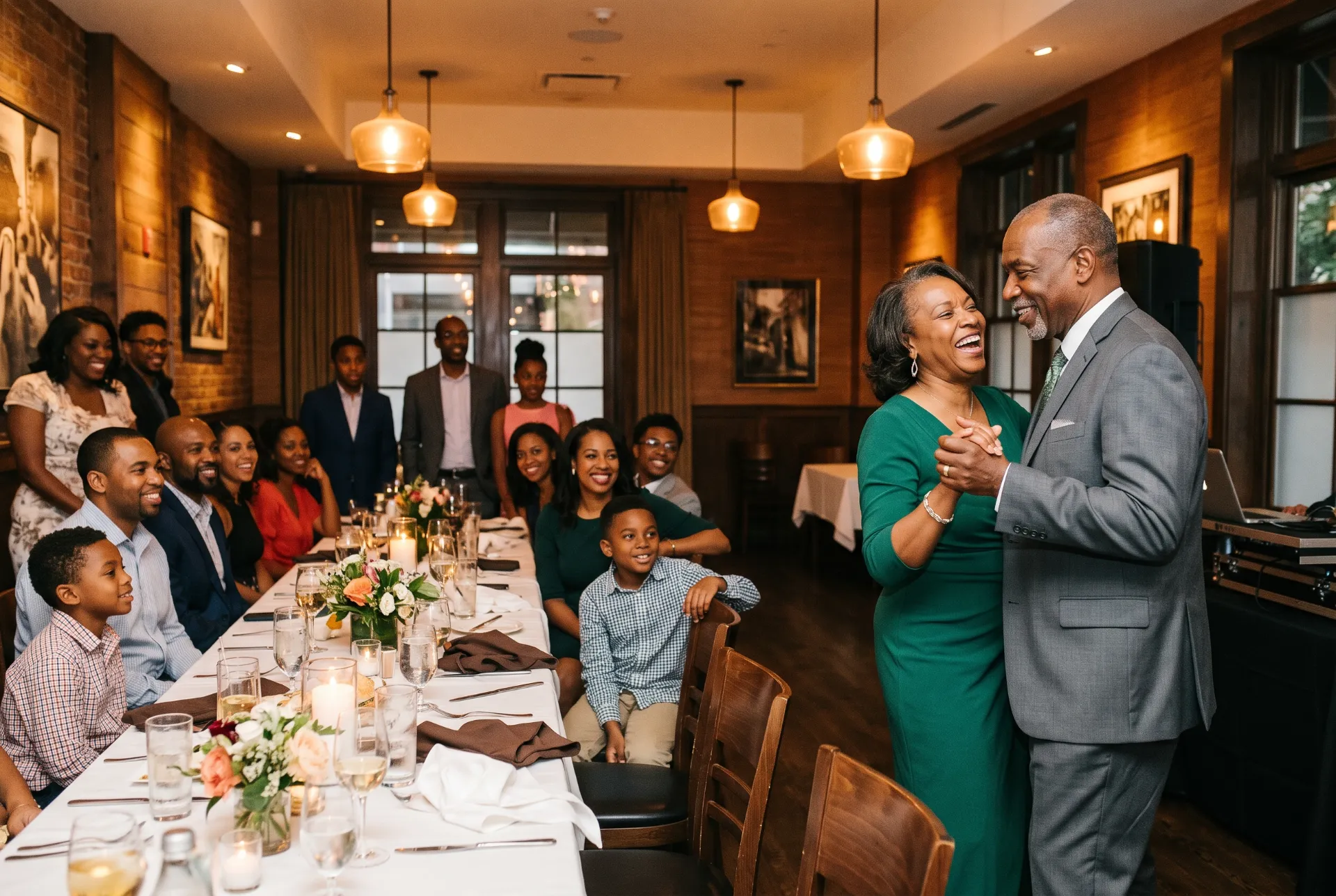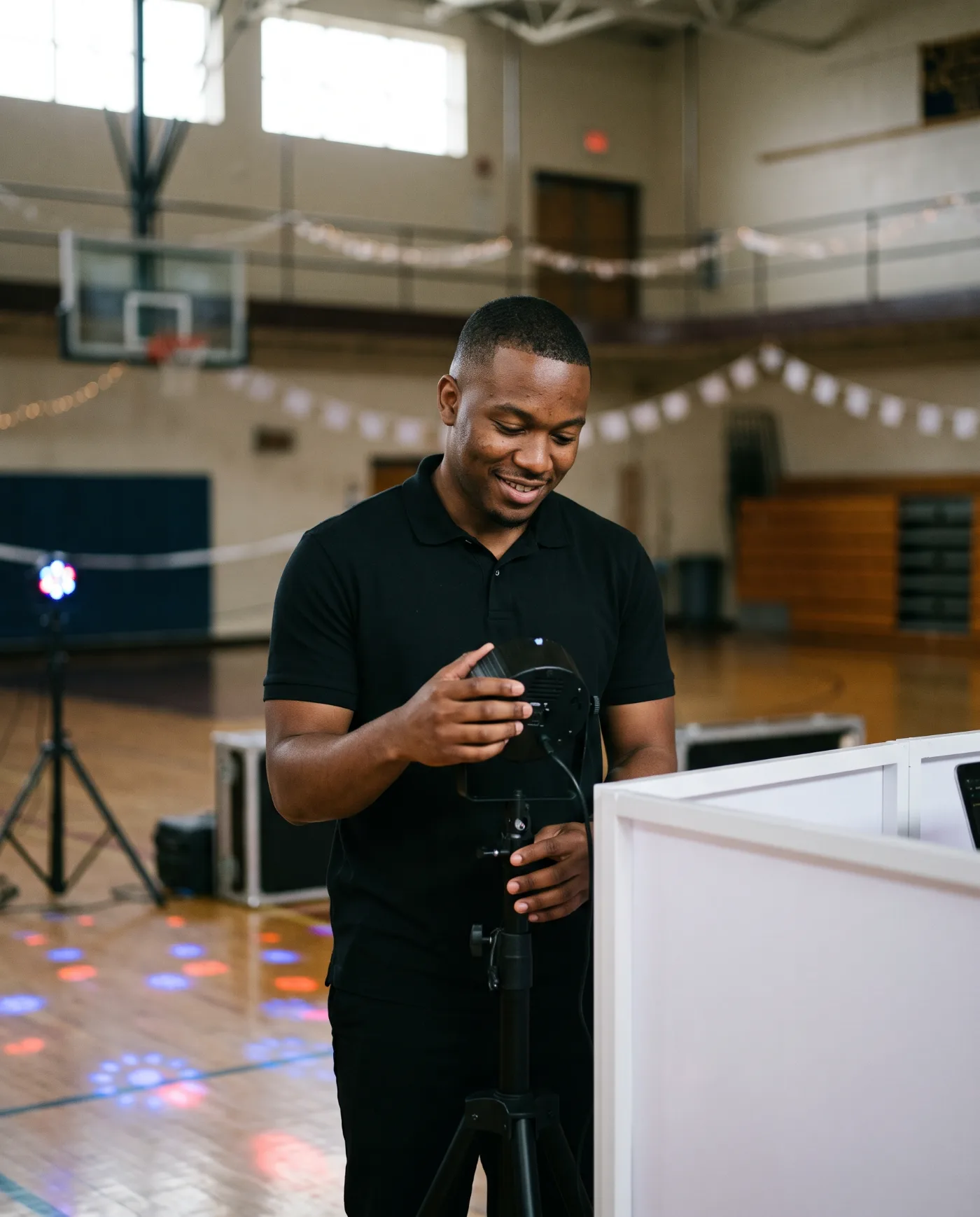
Hosting an event in a busy city or a quiet residential neighborhood comes with certain restrictions. While Las Vegas is known for nightlife, many private venues, golf course clubhouses and community centers enforce strict sound limits and curfews. These rules exist to respect local residents and comply with city ordinances. Knowing your venue policies before you sign a contract helps you plan a realistic timeline and avoids fines on the night of your event.
Why local venues restrict volume
Many beautiful event spaces are located near housing developments. Homeowner associations and city councils issue noise ordinances that require music to stay below a certain decibel level or stop entirely by a specific hour. Venues enforce these rules strictly to protect their business licenses and maintain good relationships with their neighbors.
Sound limits often apply to low frequency bass, which travels much further than vocals or high notes. If a venue has a strict sound policy, the DJ must keep the volume at a moderate level and reduce the bass output. This keeps the dance floor fun without rattling the windows of the houses next door.
Asking the right questions early
Bring up sound rules during your very first venue tour. Ask the coordinator if there are hard cutoffs for the music or if they require the room to be completely empty by a certain time. You should also ask if the venue uses a decibel meter during the reception to monitor the volume level.
Getting these policies in writing prevents misunderstandings later. If a venue requires the music to end at ten in the evening, you will know immediately if that fits your vision for a late night party. Clear expectations help you choose a location that matches the type of celebration you want to host.
Building your timeline backward
Once you know the hard curfew, you can construct the rest of your evening. If the music must stop at eleven, work backward to schedule your last dance, the dessert service and the dinner hour. Starting from the end makes sure you have enough time for an open dance floor before the lights come on.
Sharing this timeline with your vendors keeps everyone on track. The Crossfade team uses your venue curfew to pace the music and coordinate the final announcements. A backward planned timeline prevents the last hour from feeling rushed and allows the DJ to build a great final set.
Managing outdoor noise policies
Outdoor spaces usually face earlier curfews than indoor ballrooms. Sound travels freely outside, so a patio reception might require the music to stop an hour or two earlier than an indoor event on the same property. Some couples choose to eat outside and move indoors for the dancing portion to avoid early cutoffs.
If you remain outside for the entire night, position the speakers pointing away from residential areas and toward the venue structures. The DJ will angle the sound directly at the dance floor to maximize the volume for your guests while minimizing the noise spilling over the property lines.