Welcoming families from different cultural backgrounds is a beautiful part of a wedding reception. When your guest list includes both English and Spanish speakers, thoughtful microphone work keeps everyone informed and engaged. The goal is to blend both languages naturally without turning every small update into a lengthy translation. Here are practical ways to manage bilingual announcements for a lively celebration.
Balancing English and Spanish naturally
You do not need to repeat every single word in both languages. A skilled bilingual MC knows how to weave English and Spanish together in the same sentence. They might deliver the welcome in Spanish and the dinner instructions in English, or alternate languages throughout an introduction so the meaning is clear to both groups.
This approach keeps the timeline moving. Translating entire paragraphs back and forth takes twice as long and causes the audience to lose focus. Short and blended announcements maintain the energy in the room while making sure neither side of the family feels left out of the celebration.
Keeping timeline updates brief
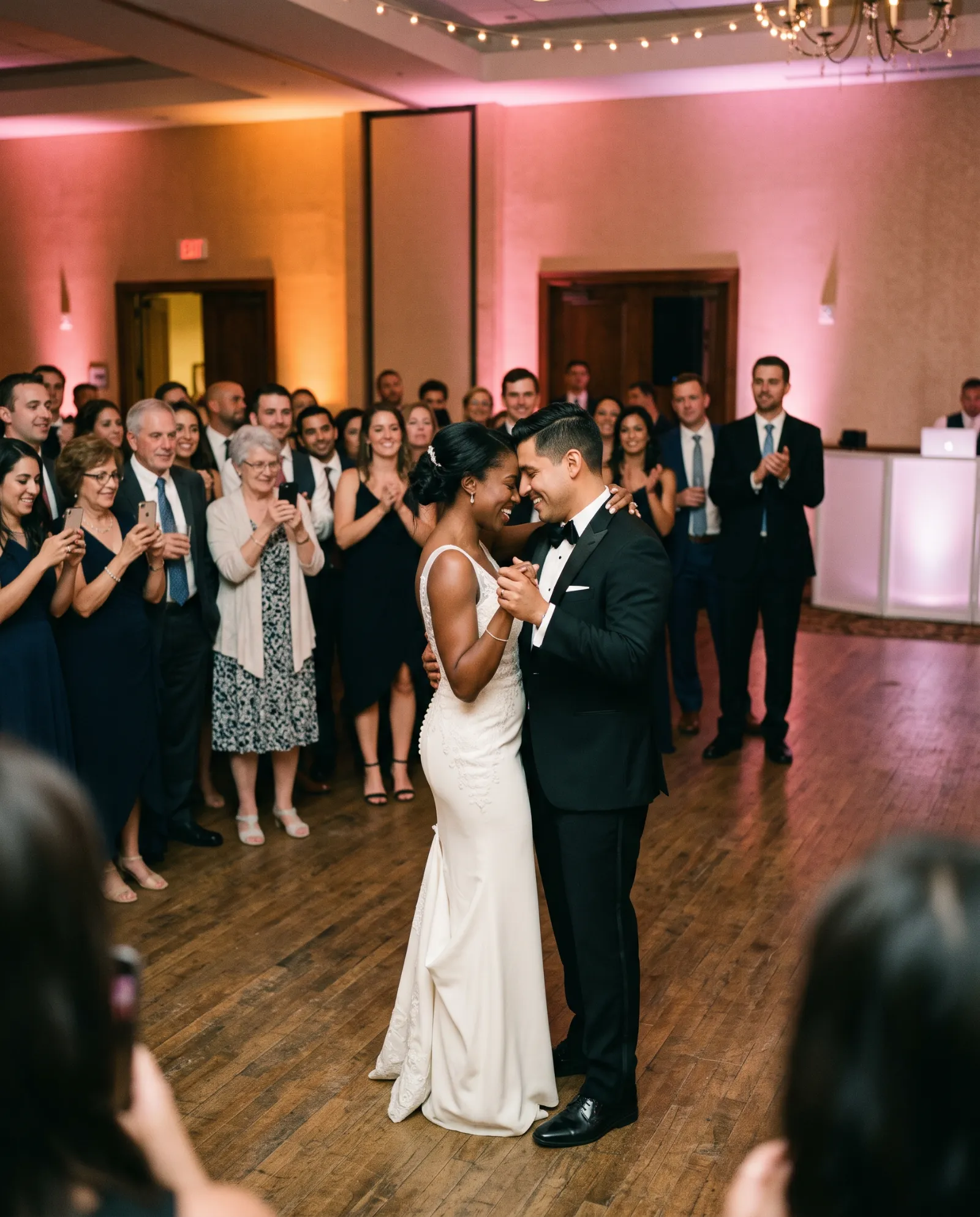
Grand entrances, the first dance and the cake cutting need brief setups. The MC should grab the attention of the room, announce what is happening and invite guests to watch. Keeping these cues punchy leaves more time for the actual moments rather than drawn out explanations.
Our Crossfade DJs use short and warm cues to guide the evening. We find that smiling and projecting clear instructions in both languages works better than reading from a formal script. Brief updates allow the music to resume quickly, keeping the dance floor active.
Getting name pronunciations right
Getting names right shows respect for your wedding party and families. Spanish names often have specific accents and cadences that should be honored when introducing the parents or the newlyweds. A phonetic spelling provided before the event helps the MC deliver every name with confidence.
We recommend reviewing all names during your final planning call. Taking a few minutes to speak the names aloud means the DJ knows exactly how to introduce your wedding party. This preparation prevents awkward stumbles during the grand entrance.
Incorporating family traditions
Many couples blend traditions from different backgrounds. You might host a dollar dance, a special cultural toast or specific musical requests that hold meaning for the older generation. The MC can briefly explain these customs over the microphone so guests who are unfamiliar know how to participate.
Share these plans with your DJ well before the wedding day. Knowing when a tradition will take place allows the DJ to choose appropriate background music and prepare the right bilingual explanation. Clear communication turns unique family customs into highlights of the reception.